

In this post:
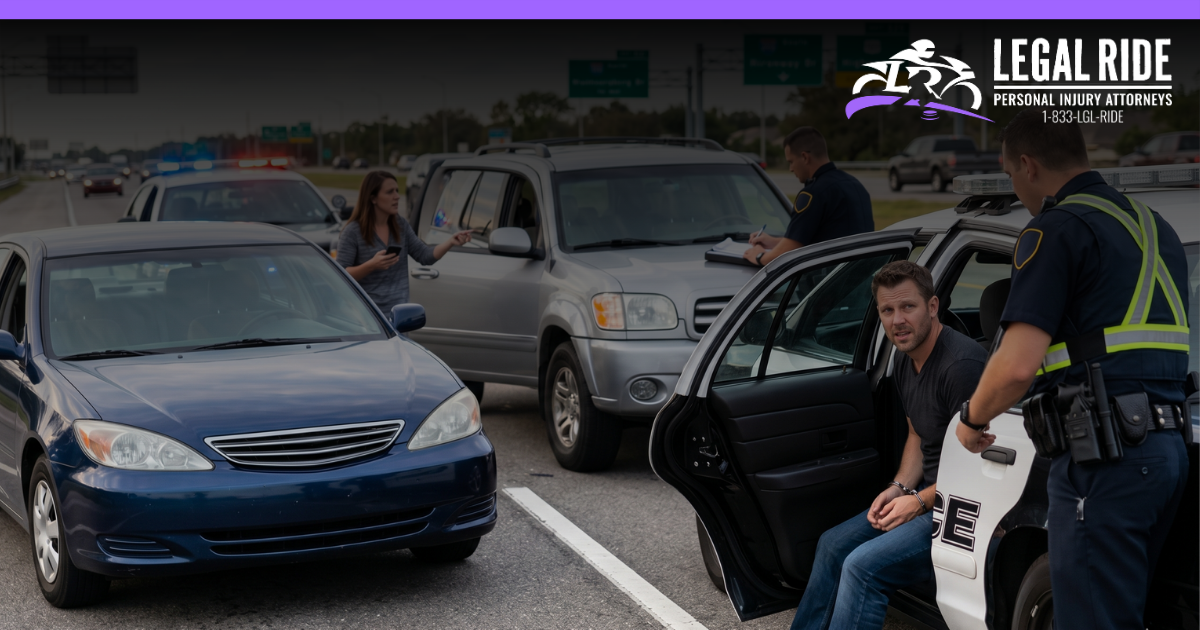
Road rage can lead to criminal charges, civil claims, insurance trouble, and fault disputes after a crash. In Las Vegas, one angry choice behind the wheel can reshape a case, especially when video, witness statements, and driving history paint a clear picture of aggression.
Road rage can escalate before anyone in the car fully registers what’s happening. A blaring horn, a brake check, a crowded merge, a driver riding your rear tire, and now the whole drive has everyone on alert. In Las Vegas traffic, that shift is common, and once someone gets aggressive on video or in a police report, the fallout can reach well past the scene. Road rage can lead to citations, arrest, injury claims, insurance fights, and ugly arguments about who pushed the encounter into dangerous territory. In many road rage crashes, both drivers accuse the other of escalating the situation. Insurance companies often use that chaos to shift blame in multiple directions.
Aggressive Driving Can Become a Legal Problem Quickly
Road rage isn’t always limited to yelling through a windshield. It can show up as tailgating, cutting someone off, swerving at a vehicle, chasing another driver, forcing a rider out of a lane, or getting out of the car for a confrontation. If that conduct causes a crash or can be interpreted as posing a threat, the legal exposure could extend to criminal charges.
Depending on the circumstances, road rage can lead to allegations involving reckless driving, assault, battery, property damage, or hit and run related offenses. A civil claim can follow too, especially when a rider or driver ends up with medical bills, lost income, vehicle damage, or a long recovery. In some cases, fault is apportioned among several people, which can affect the compensation available.
Evidence Can Make the Story Hard to Dodge
Road rage cases can leave a messy trail, but they also can leave very clear proof. Dashcam footage, helmet cam video, witness statements, traffic cameras, vehicle damage, 911 calls, and even text messages sent right after the crash can influence how insurers and attorneys read the situation.
That’s one reason remaining calm after a wreck is so important. A driver who keeps arguing at the scene can hand the other side more footage, more witnesses, and more detail to work with.
Keep the Ego Out of the Driver’s Seat
The safest move during a road-rage encounter is to create distance, avoid eye contact, refrain from making rude gestures, and let the other vehicle go. For riders, that can also include changing lanes when there’s room, pulling into a public place, and keeping a bigger buffer than you’re used to. Space and time can cool down a bad interaction before it becomes a case file. The hardest thing to do during road rage is usually the smartest: let it go.
When the Story Gets Complicated, Call People Who Ride
If road rage led to a crash, Legal Ride can help sort through the video, the witness accounts, and the blame-shifting that can follow. We understand riders, we understand crashes, and we understand how fast the story can get twisted after a road rage wreck. To discuss your options, reach out by calling 833-LGL-RIDE.
Road Rage in Las Vegas FAQ
Can road rage affect an injury claim in Nevada?
Yes. Aggressive conduct can influence how fault is assigned, how insurers value the case, and how a jury may view the people involved.
What counts as road rage after a crash in Nevada?
It can include chasing, brake checking, swerving, threatening gestures, getting out of the vehicle to confront someone, or forcing another vehicle into a dangerous move.
What should someone do after a road rage crash in Nevada?
Get to safety, call law enforcement when needed, document the scene, and avoid debating fault on the roadside.
This content is for informational purposes only and does not constitute legal advice. Every case is different. Consult an attorney for advice specific to your situation.
Legal Ride
Latest posts by Legal Ride (see all)
- What to Do After a Car Accident Without Insurance in Nevada - September 30, 2026