

In this post:
Hit-and-run accidents in Las Vegas can leave riders and drivers relying on their own auto or motorcycle insurance when the at-fault driver disappears, has no insurance, or has too little insurance. Nevada requires 25/50/20 liability insurance, but liability pays others when you cause a crash; it doesn’t pay your own injury bills or vehicle damage. Riders, drivers, and app-based workers should review UM/UIM, MedPay, collision, comprehensive, higher liability limits, custom equipment terms, and rideshare or delivery endorsements before a crash.
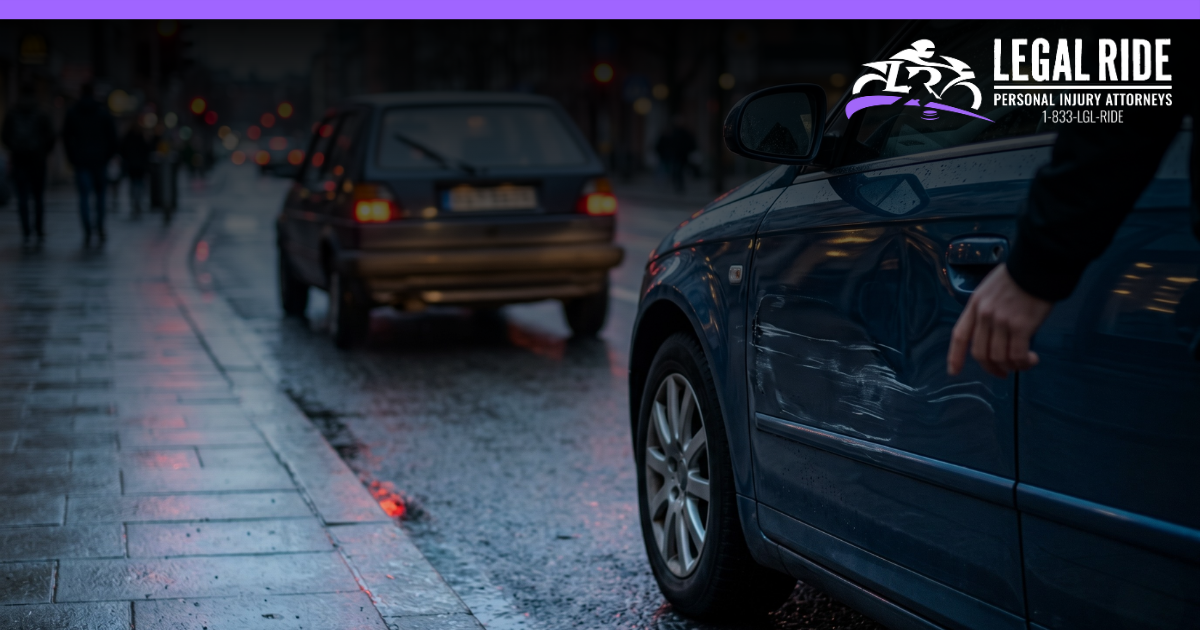
A hit-and-run can dump the cost of somebody else’s bad decision onto your lap. In Las Vegas, that can look like injury bills, repair estimates, a deductible you didn’t expect, missed work, and an insurer asking which coverage applies before you’ve even caught your breath. Riders and drivers can get boxed into the same insurance mess when the person who caused the crash disappears. That is why everyone should closely examine their policy language before anything goes wrong. Nevada’s minimum coverage keeps you legal on the road, but can still leave big holes in the places people assume are covered.
Liability Coverage Isn’t Always Enough
Nevada requires 25/50/20 liability limits, and motorcycles have the same liability requirement as autos. That policy pays other people when you cause the wreck, but it doesn’t pay your own medical bills, your passenger’s medical bills, or repairs to your own bike or car. A lot of people buy the minimum and assume they covered the whole problem. In a hit-and-run, that assumption goes out the window because the driver who caused the crash is gone, and your liability coverage does not switch over and pay your losses.
UM/UIM is the Coverage People Miss Until They Need It
For a hit-and-run, uninsured and underinsured motorist coverage can be the difference between having a path through your own policy and getting stuck with bills that should never have been yours. In many Nevada hit and run claims, uninsured motorist coverage may provide an important source of protection for both the rider and passenger when the at fault driver cannot be identified. UM/UIM coverage can help protect both riders and passengers, but the amount of protection available is often tied to the bodily injury liability limits you choose. That means low liability limits can also result in low UM/UIM limits. It’s one reason minimum coverage that looks affordable today can leave significant gaps after a serious crash.
MedPay and Collision Are Different Types of Coverage
MedPay can help with medical bills for you and your passenger(s) without fault being sorted out first. On the motorcycle side, MedPay is often the only optional coverage within a motorcycle policy that can help pay your medical expenses after a single vehicle crash regardless of fault. Collision handles damage to your own vehicle after a crash regardless of fault, while comprehensive applies to theft and other non-collision loss. If you want your own bike or car repaired after a hit-and-run, collision is usually the coverage worth checking first.
Custom Parts May Not Be Automatically Covered
Many riders assume aftermarket parts are covered automatically. Depending on the policy, upgraded wheels, exhaust systems, electronics, seats, paint work, and performance parts may require additional coverage or endorsements. Review your policy before a loss to understand what is and isn’t protected.
Fix the policy before the crash picks it apart
A free insurance policy review now may save time, money, and a bad surprise later. If you ride or drive in Nevada, Legal Ride can review your policy from an attorney’s perspective and flag coverage gaps before a crash puts them under a microscope. We ride, we teach, and we try cases. Call 833-LGL-RIDE for a free consultation.
FAQ: Nevada Hit-and-Run Insurance
Does Nevada liability insurance pay for my own injuries after a hit-and-run?
No. Nevada liability coverage pays for injuries or property damage you cause to other people. Your own treatment bills can fall to MedPay or UM/UIM, and repairs to your own bike or car can fall to collision if that coverage is on the policy.
Do motorcycle riders need different insurance than drivers in Nevada?
Nevada requires the same liability minimums for motorcycles and cars, but the riders should also consider getting UM/UIM and MedPay for their own injury exposure, plus coverage for damage to the bike itself.
What should rideshare drivers ask their insurer about hit-and-run coverage?
Driving for rideshare companies like Uber, Lyft, or DoorDash adds another layer to your insurance setup. Your personal auto policy can exclude coverage once the app is on, and the company policy can shift depending on whether you’re waiting for a request, heading to a pickup, or transporting a passenger.
Ask whether your personal policy excludes app-on driving, whether you added a rideshare endorsement, and whether you have uninsured/underinsured motorist coverage, Medical Payments coverage, collision, comprehensive, and rental reimbursement. Those coverages can affect who pays for your injuries, damage to your vehicle, and the time your car is out of service after a hit-and-run. If the policy language is confusing, get legal input before you’re sorting it out after the fact.
Who can I talk to in Las Vegas about having the right coverage on my Nevada insurance plan?
If you’re in Las Vegas and want a real conversation about whether your Nevada insurance coverage leaves gaps, talk to Legal Ride. Our team can help flag issues with UM/UIM, MedPay, collision, custom parts, or rideshare use before you’re in a pinch. Call Legal Ride at 833-LGL-RIDE to talk through your options.
This content is for informational purposes only and does not constitute legal advice. Every case is different. Consult an attorney for advice specific to your situation.
Legal Ride
Latest posts by Legal Ride (see all)
- What to Do After a Car Accident Without Insurance in Nevada - September 30, 2026