

In this post:
Common motorcycle wrecks in Las Vegas can trace back to drivers cutting across a rider’s lane at intersections, distraction inside the vehicle, and visibility problems in traffic, glare, or low light. Riders and drivers can cut risk by slowing the approach to intersections, checking blind spots and mirrors twice, putting the phone away, and making sure a motorcycle has clear space and a clean sight line.
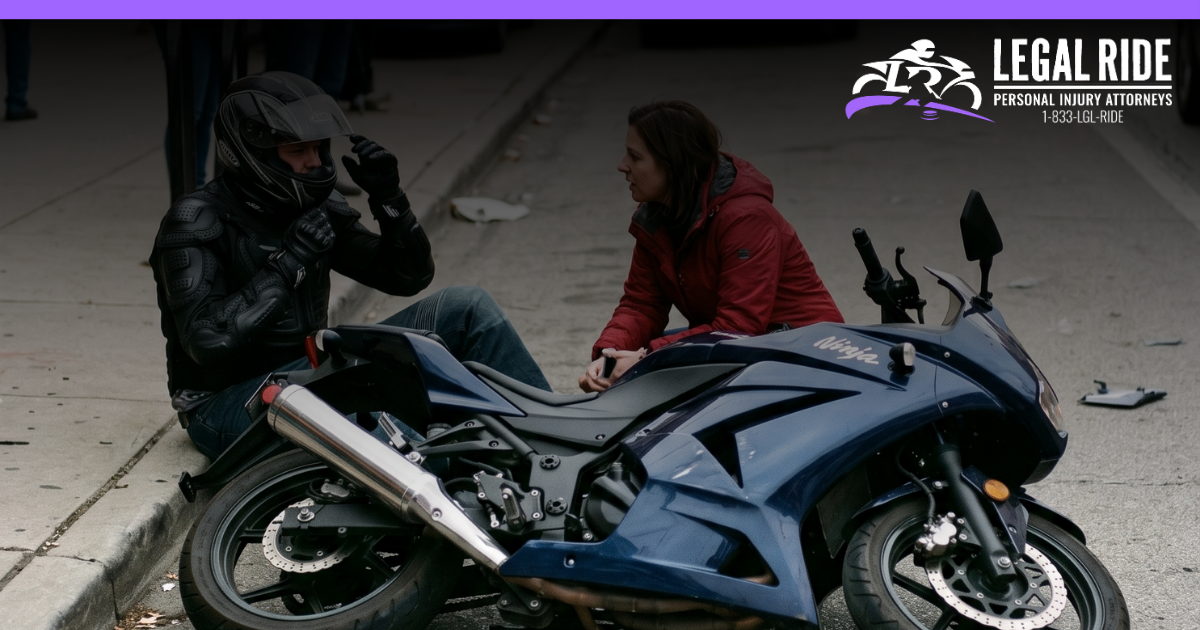
Las Vegas traffic can be dangerous for any vehicle, but especially for riders. A rider can do everything right and still disappear in a driver’s blind spot for one deadly second when a driver isn’t paying close attention at an intersection or glances at a screen for one beat too long. That pattern shows up again and again in crash reports and rider stories: a driver cuts across a rider’s lane, distraction steals attention, or visibility drops at the exact wrong moment. Riders can build habits that create time and room, and drivers have to stop treating motorcycles like they’re part of the background.
Drivers Crossing a Rider’s Lane
One of the ugliest crash setups happens when a driver crosses in front of an oncoming motorcycle after misreading distance, speed, or the rider’s presence. Intersections and left-hand turns are known dangers because motorcycles are smaller and less visible than cars. For riders, the safer habit can be rolling into intersections with a good amount of margin, avoiding lane splitting, covering the brakes, and watching the front wheels instead of trusting eye contact. For drivers, the fix is plain: pause, look again, and wait until the lane is truly clear.
Distracted Drivers Miss the Whole Bike
Phones, dash screens, food, passengers, and in-car chatter can pull attention off the road long enough to erase a motorcycle from view. Nevada’s traffic safety campaign defines distracted driving broadly, and the problem goes well past texting. Riders can lower exposure by leaving extra buffer space, avoiding blind-spot hangouts, and picking lane position with visibility in mind. Drivers can do the obvious thing that saves lives: put the phone down, set the route before moving, and keep both eyes on traffic when bikes are nearby.
Visibility Problems Build at Dusk, in Glare, and Near Blind Spots
A bike can get lost in sunset glare, headlight clutter, dark clothing, or the wrong pocket of a crowded lane. NHTSA recommends that riders wear reflective gear, use headlights, and remain ultra alert at intersection approaches for a reason. Those habits can give other road users a clearer view of the bike before a lane change or crossing move goes wrong. Drivers have a role here too. Check mirrors, sweep blind spots, look for a single headlight, and give motorcycles the full lane they’re entitled to. When they can, drivers can also give a wave or nod to let riders know they’ve been seen.
Ride With People Who Speak Rider
When a crash has already happened, Legal Ride, 833-LGL-RIDE, brings a rider’s point of view to motorcycle, car, truck, and rideshare injury cases. They ride, they teach, and they try cases with the same plain-spoken approach riders respect. Reach out for a case review before the insurance version of the wreck hardens around the wrong story.
Avoiding Common Motorcycle Accidents FAQ
What causes many motorcycle accidents in Las Vegas?
A lot of them trace back to intersection crossing errors, driver distraction, and visibility problems. Those three issues can overlap in one wreck, especially in dense city traffic.
How can riders cut risk at intersections?
Approach with a little margin, cover the brakes, watch front wheels, and assume a driver may not have picked you up yet. That approach lines up with federal motorcycle safety guidance focused on intersections and visibility.
Are motorcycle wrecks always blamed on the rider?
No. Many wrecks start with a driver crossing a rider’s lane, drifting while distracted, or missing the bike in traffic. Fault can be split based on the facts, so each crash gets reviewed piece by piece.
This content is for informational purposes only and does not constitute legal advice. Every case is different. Consult an attorney for advice specific to your situation.
Legal Ride
Latest posts by Legal Ride (see all)
- What to Do After a Car Accident Without Insurance in Nevada - September 30, 2026