

One moment of negligence can change someone’s life in seconds. A routine drive, a walk through a store, or a normal workday can suddenly turn into a situation involving serious injury, medical bills, and financial stress. When these incidents occur because someone failed to act responsibly, the law allows injured individuals to pursue a bodily injury claim to recover their losses.
The scale of personal injuries shows how common these situations are. In the United States, nearly hundreds of thousands of personal injury claims are filed each year, most of them handled through state courts.
In fact, the U.S. records more than 5.5 million car accidents annually, resulting in roughly 3 million injuries. These incidents often lead to high medical costs, lost income, and long recovery periods for victims. Because of these realities, personal injury law plays an important role in helping injured individuals recover financially after an accident caused by negligence.
Understanding What a Bodily Injury Claim Means
A bodily injury claim usually arises when someone fails to act responsibly. This may involve negligence, unsafe property conditions, reckless driving, or other careless behavior that leads to an accident. When that negligence results in injury, the law allows you to seek compensation for the losses you experience.
Parties Involved in a Bodily Injury Claim
- Injured Person (Plaintiff): You, the individual who suffered the injury and is seeking compensation for the damages caused.
- Responsible Party (Defendant): The person, business, or entity whose negligence or actions caused the injury.
- Insurance Companies: The insurers that investigate the claim, assess liability, and often handle settlement negotiations and compensation payments.
Types of Damages Included
- Medical Expenses: Covers costs related to treatment such as hospital visits, surgeries, medications, and follow-up care.
- Lost Income: Compensates you for wages or earnings lost if the injury prevents you from working temporarily or long-term.
- Rehabilitation Costs: Includes expenses for physical therapy, rehabilitation programs, or long-term medical support needed during recovery.
- Pain and Suffering: Compensation for the physical pain and emotional distress caused by the injury and its impact on your daily life.
- Punitive damages: In certain cases, additional damages may be awarded to penalize particularly reckless or intentional misconduct.
- Other compensatory damages: Financial recovery for additional losses directly connected to the injury and its impact on your daily life.
Legal Framework for Personal Injury Claims in Las Vegas
Nevada law outlines how liability is determined, how long you have to file a claim, and how compensation may be awarded.
- Statute of Limitations: In Nevada, you generally have two years from the date of the injury to file a personal injury lawsuit. If you miss this deadline, you may lose your right to pursue compensation.
- Modified Comparative Negligence Rule: Nevada follows a modified comparative negligence system. This means you can still recover compensation if you were partly at fault for the accident, as long as your share of fault is 50% or less. However, your compensation will be reduced based on your percentage of responsibility.
- Liability and Negligence: To succeed in a bodily injury claim, you must usually show that another party owed you a duty of care, breached that duty, and caused your injury as a result.
- Damage Recovery: Nevada law allows injured individuals to recover damages for medical expenses, lost wages, reduced earning capacity, pain and suffering, and other related losses, depending on the circumstances of the case.
7 Common Personal Injury Cases That Often Lead to a Bodily Injury Claim
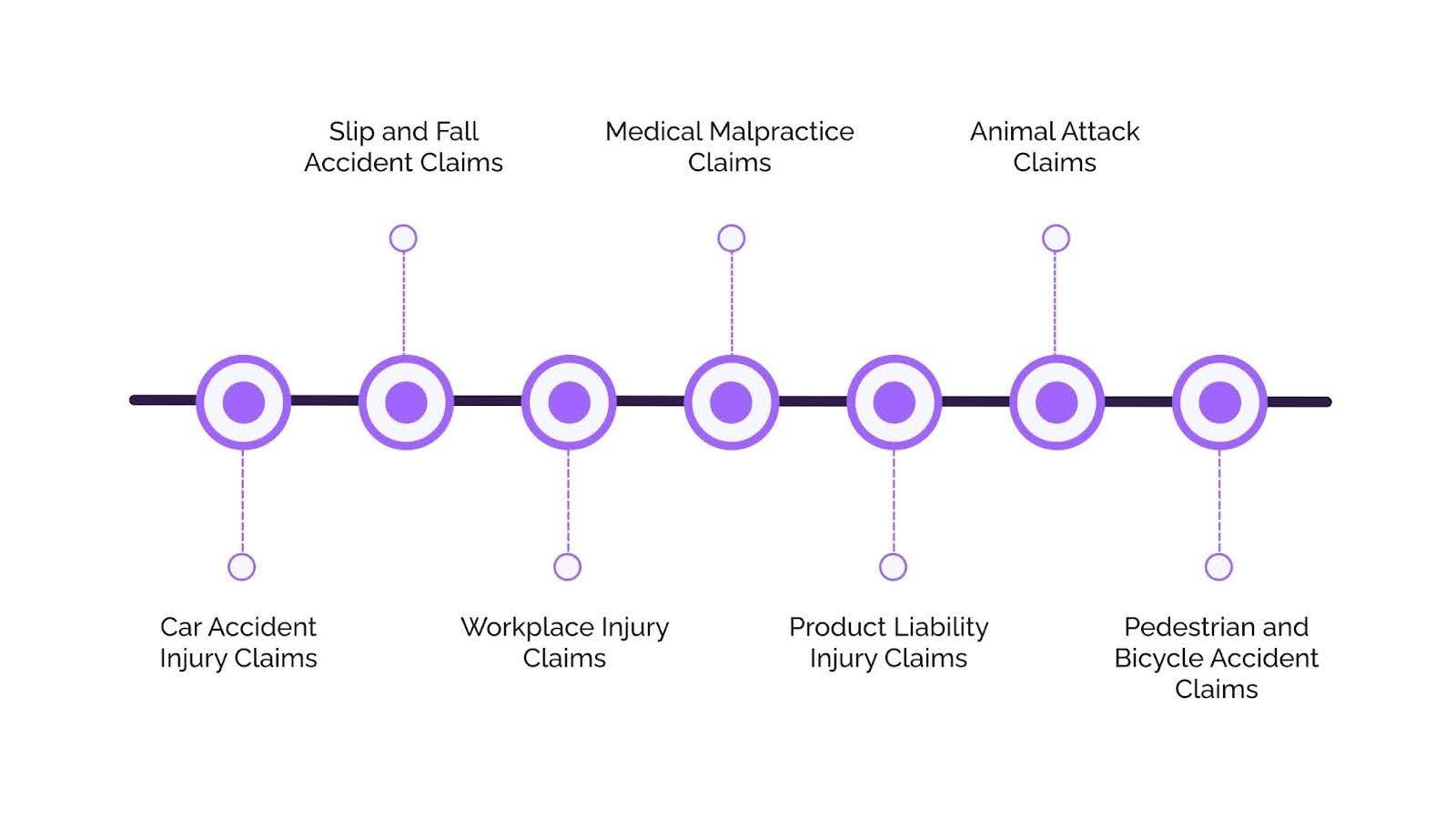
If you have been injured because of someone else’s negligence, certain situations are more likely to result in a successful bodily injury claim. These cases typically involve clear liability, documented injuries, and measurable financial losses.
-
Car Accident Injury Claims
Car accidents are one of the most common reasons people file a bodily injury claim. When another driver’s negligence causes a crash, you may be able to pursue compensation for the injuries and financial losses you experience.
Common injuries include:
- Broken bones and fractures
- Whiplash and soft-tissue injuries
- Traumatic brain injuries (TBI)
- Spinal cord or back injuries
- Internal injuries or organ damage
These accidents often occur due to distracted driving (texting or phone use), speeding or reckless driving, driving under the influence, or drowsy driving, failure to yield, or aggressive driving.
-
Slip and Fall Accident Claims
Slip and fall incidents can lead to bodily injury claims when unsafe property conditions cause someone to get hurt. Property owners generally have a duty to maintain their premises in a reasonably safe condition.
Common injuries include:
- Fractures in the wrist, hip, or ankle
- Head injuries or concussions
- Back and spinal injuries
- Knee or joint damage
These accidents may occur because of wet or slippery floors, uneven sidewalks or flooring, broken stairs, or missing handrails, and poor lighting in walkways
-
Workplace Injury Claims
Workplace injuries can occur across many industries, especially in jobs involving physical labor or hazardous conditions. Injured workers may receive compensation through workers’ compensation benefits or additional claims in certain cases.
Common injuries include:
- Broken bones and fractures
- Back and spinal injuries
- Burns or chemical exposure injuries
- Head trauma or concussions
Workplace injuries often occur due to unsafe working conditions, faulty equipment or machinery, inadequate safety training, and insufficient protective gear.
-
Medical Malpractice Claims
Medical malpractice claims arise when a healthcare provider fails to meet the accepted standard of care and a patient suffers harm as a result.
These cases may involve:
- Misdiagnosis or delayed diagnosis
- Surgical errors
- Medication mistakes
- Anesthesia complications
Possible consequences may include worsening medical conditions, complications during or after surgery, and long-term or permanent disability, all of which can significantly affect a patient’s health and quality of life.
-
Product Liability Injury Claims
Product liability claims occur when defective or unsafe products cause injury. Manufacturers or sellers may be held responsible if a product poses an unreasonable risk to consumers.
Defective products may include:
- Faulty vehicle components
- Unsafe household appliances
- Defective medical devices
- Dangerous consumer products
These injuries may involve burns or electrical harm, exposure to harmful chemicals, or cuts and lacerations caused by defective or unsafe products.
-
Animal Attack Claims
Dog bites and animal attacks can cause serious injuries and may lead to a bodily injury claim. Many jurisdictions hold pet owners responsible when their animals harm others.
Common injuries include:
- Deep puncture wounds
- Infections or disease transmission
- Nerve damage
- Permanent scarring
These incidents often occur when dogs are not properly restrained, pets escape from secured property, or animals display aggressive behavior toward visitors or pedestrians.
-
Pedestrian and Bicycle Accident Claims
Pedestrians and cyclists are especially vulnerable in traffic accidents because they have little protection from vehicle impact.
Common injuries include:
- Traumatic brain injuries
- Spinal cord injuries
- Broken bones and fractures
- Severe cuts or road rash
These accidents often occur when drivers fail to yield at crosswalks, drive while distracted or impaired, speed, or drive recklessly, or make unsafe turns at intersections.
Steps You Should Take to Protect Your Personal Injury Claim
Taking the right steps helps protect your health and strengthens the evidence supporting your case.
- Seek Immediate Medical Attention
Your health should be the priority. Prompt medical care ensures your injuries are properly treated and creates medical records that document the extent of the harm.
- Document The Accident And Your Injuries
Take photographs of the scene, visible injuries, property damage, and any hazards that caused the incident. Keep records of medical visits, treatments, and related expenses.
- Gather Witness Information
If anyone witnessed the accident, collect their names and contact details. Witness statements can help support your version of events if liability is disputed.
- Report The Incident
Notify the appropriate authority, such as the police, your employer, or the property owner. An official report can serve as valuable documentation for your claim.
- Consult A Personal Injury Lawyer Before Accepting A Settlement
Insurance companies may offer early settlements that do not fully cover your losses. Speaking with a personal injury lawyer first can help you understand your rights and the potential value of your claim.
Protect Your Rights With Experienced Personal Injury Representation
After a serious accident, you may be facing medical treatment, time away from work, and stressful decisions about what to do next. In some cases, the same incident can involve traffic citations or criminal charges, adding another layer of pressure.
At Legal Ride, our experienced attorneys handle personal injury cases in Las Vegas, including car accidents and truck accidents, as well as related traffic and criminal law matters. We provide clear, step-by-step guidance through insurance claims, investigations, and the court process, so you can focus on recovery while we protect your rights.
This content is for informational purposes only and does not constitute legal advice. Every case is different. Consult an attorney for advice specific to your situation.
Legal Ride
Latest posts by Legal Ride (see all)
- What to Do After a Car Accident Without Insurance in Nevada - September 30, 2026