

In this post:
Commercial truck crash investigations move faster, dig deeper, and involve far more players than regular car crashes. Evidence disappears quickly, liability spreads across companies, and catastrophic injuries change the stakes. Treating a truck case like a fender-bender costs injured people leverage and compensation.
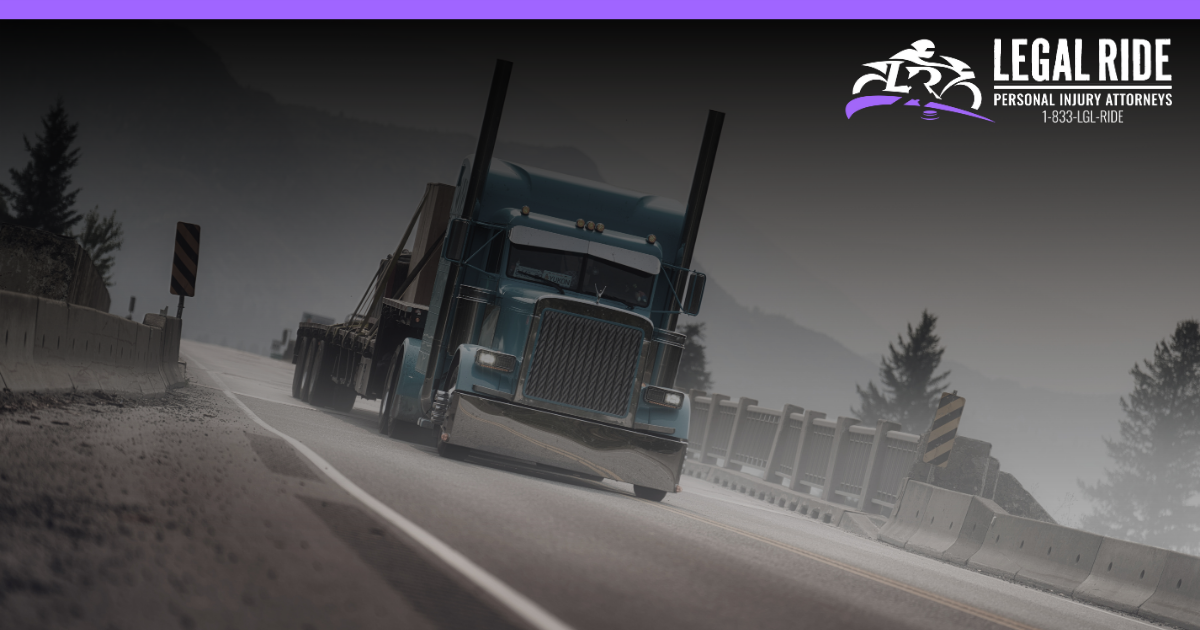
A fully loaded tractor-trailer can weigh 80,000 pounds. Physics does not negotiate with good intentions or clean driving records, and a rider or compact car absorbs the math. After a serious truck crash, the tone at the scene shifts as lives hang in the balance, and evidence evaporates by the hour. That urgency drives everything that follows.
Investigators arrive with a different playbook. They look past bent metal and start locking down data, documents, and decisions made long before impact. Time matters because companies rotate drivers, trucks return to service, and digital records could overwrite themselves.
Why Truck Cases Are Legally Different
Commercial truck cases are governed not only by Nevada law but also by federal safety regulations that apply to trucking companies and drivers. These rules cover driver hours, vehicle maintenance, inspections, and safety procedures, all of which can play a role in determining liability.
Evidence Has a Short Shelf Life
Car crashes lean on photos, witness statements, and police reports. Truck crashes stack layers on top of that. Engine control modules record speed, braking, throttle, and seatbelt status. Electronic logs show hours on duty and rest breaks. Dispatch records reveal pressure from above. Maintenance files expose worn brakes or overdue inspections.
Best practice starts with preserving all of it. Preservation letters go out immediately. Independent inspections happen before repairs. Downloading onboard data requires proper tools and chain of custody. Delay costs proof. Riders pay the price when proof disappears.
Rules, Records, and a Wider Net of Fault
Commercial drivers answer to federal safety rules, carrier policies, and training standards. Violations carry weight. Investigators compare logbooks to fuel receipts and GPS pings. They review hiring files, drug testing, and prior safety incidents. Every record tells a story about risk management or the lack of it.
Fault rarely lands on one set of shoulders. Comparative negligence slices responsibility among drivers, carriers, brokers, and maintenance vendors. That allocation controls recovery. Clear percentages matter because catastrophic injury cases involve lifelong care, lost earning power, and permanent changes to daily life.
Catastrophic Injury Changes the Stakes
Truck crashes produce traumatic brain injuries, spinal damage, amputations, and fatal outcomes at a higher rate. Those injuries require early coordination with life-care planners and vocational analysts. Investigations move alongside treatment, not after it. Waiting creates gaps that defense teams exploit.
Riders face added exposure. Visibility issues, lane positioning, and braking distance all enter the record. A clinical review focuses on mechanics and math, not lectures. Skills keep people alive. Evidence keeps cases alive.
Don’t Wait for the Story to Set
If a commercial truck has torn through your life, move fast and protect the record. The right move starts with preserving evidence and building a factual record that matches the damage done. Legal Ride is built by riders and trial lawyers who live this world every day. We fight for riders and drivers. Call (702) 980-9246 to start the process of talking it through before the road decides the outcome for you.

Legal Ride
Latest posts by Legal Ride (see all)
- What to Do After a Car Accident Without Insurance in Nevada - September 30, 2026