

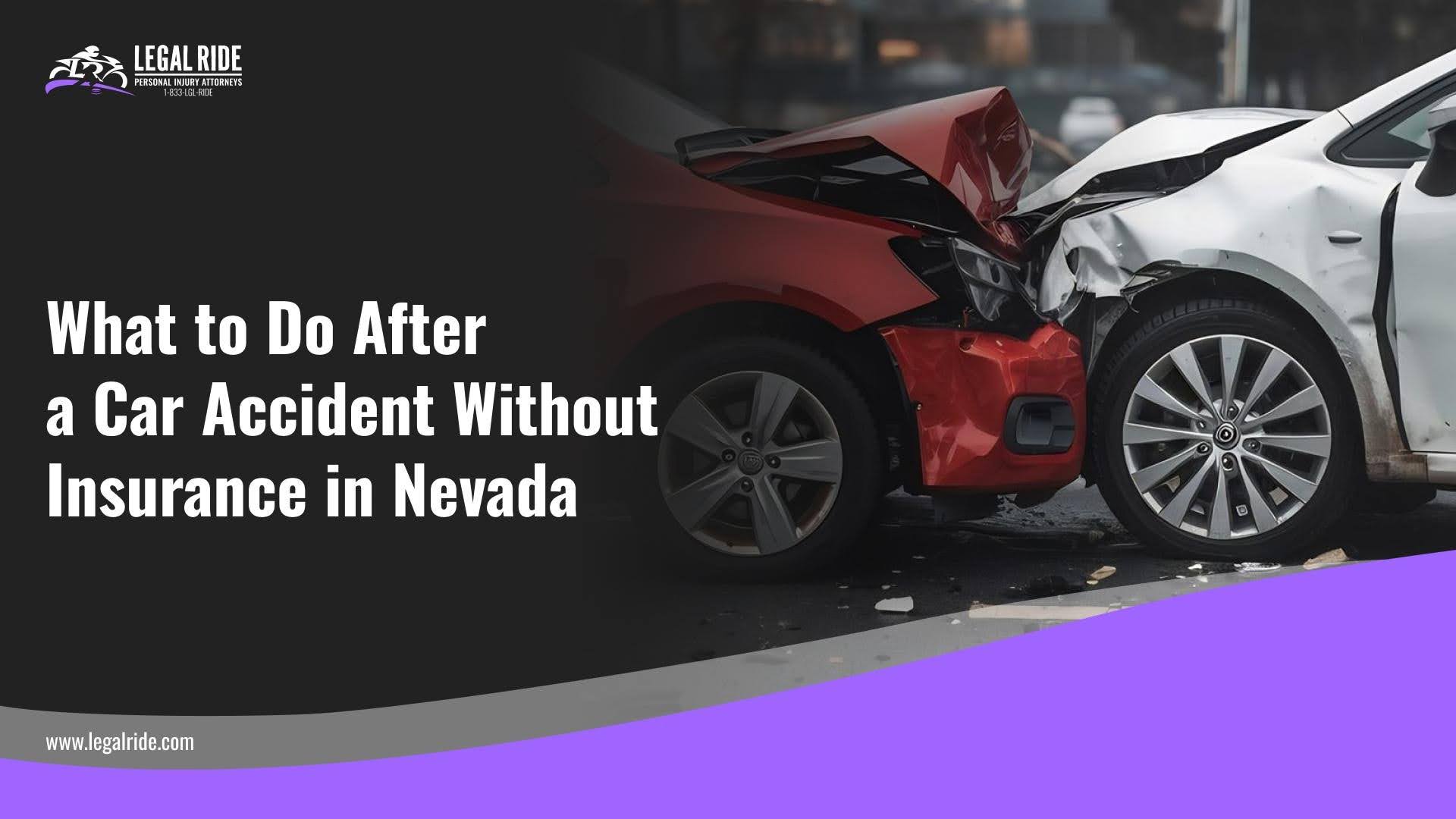
A car accident is already a lot to process. Then you find out insurance is missing, yours, theirs, or both and suddenly you’re not just dealing with a crash. You’re dealing with a question mark.
Here’s the part that catches most people off guard: no insurance doesn’t mean no answers. It doesn’t tell you who caused the crash, and it doesn’t mean there’s no coverage to work with. Whose policy is missing, how the collision happened, and what other insurance might apply are three separate questions, and each one points to a different next step.
Right now, none of that is the priority. Your health is. Get checked out, get treated, and let the adrenaline wear off before you start thinking about fault or coverage.
Once you’ve done that, it’s time to look at what actually happened, what insurance is on the table, and whether you need someone in your corner to sort it out.
What If the Other Driver Has No Insurance?
Finding out that the driver who hit you doesn’t have insurance doesn’t tell you the whole coverage story. Depending on the circumstances, you may still need to review other insurance policies before you know what help is available.
Uninsured and Underinsured Motorist Coverage
Start with your own policy. If you have uninsured or underinsured motorist coverage, often called UM/UIM, it exists for exactly this situation: an at-fault driver with no insurance, or not enough of it.
In Nevada, this coverage is optional, so whether you have it and how much it costs depends on what you purchased. Worth checking before you assume there’s nothing there.
MedPay
MedPay (medical payments coverage) can help cover qualifying treatment costs after the crash, regardless of who was at fault. What it covers and how much depends on your specific policy, so it’s worth a quick call to check.
Health Insurance
While the auto insurance side gets sorted out, your health insurance can still cover your treatment. It won’t decide who caused the crash, that’s not its job, but it can keep your care moving in the meantime.
Collision Coverage
If your vehicle is damaged, collision coverage can help pay for repairs or a replacement, minus your deductible, subject to your policy’s terms.
Other Insurance May Also Be Relevant
Sometimes there’s more coverage in play than either driver’s personal policy provides, such as when the vehicle belongs to an employer, rideshare company, or another business. Don’t assume there’s nothing to work with just because one driver was uninsured. Look at every policy connected to the crash before ruling anything out.
What If You Were the One Without Insurance?
Driving without coverage is its own problem, but it’s not the same problem as figuring out who caused the crash. Keep them separate in your head, because they’ll be handled separately in practice.
- Nevada requires liability insurance on registered vehicles. If yours had lapsed, expect to deal with the DMV separately, registration issues, reinstatement, that kind of thing. None of that decides fault.
- And being uninsured doesn’t make you the one at fault. That gets decided the same way it always does: photos, witness accounts, vehicle damage, police reports, and whatever else shows how the crash actually happened.
- If the other driver caused it, their insurance is still worth pursuing for your injuries and losses; what’s actually available depends on the facts and Nevada law.
- If you caused it and had no coverage, that’s the harder spot to be in. There may not be a policy standing behind you to cover what’s owed.
Fault, coverage, injuries, and the facts of the crash must be considered together, not in isolation.
What Should You Do Right After the Crash?
It’s natural to want to know right away who’s going to pay for this. That question can wait. What can’t wait is checking on everyone at the scene, getting help if it’s needed, and locking in the basic details before they’re gone: the people, the vehicles, and what actually happened.
Check for Injuries and Get Medical Help
Start with yourself and the other people involved. If anyone appears seriously injured or needs emergency care, call 911.
Even if you’re able to leave the scene without emergency treatment, pay attention to how you feel over the next day or two. Headaches, dizziness, neck or back pain, shoulder pain, swelling, numbness, or trouble moving can appear or worsen once the adrenaline fades. Crashes can cause concussions, fractures, soft-tissue injuries, and other trauma that isn’t obvious right away. If anything feels off, get it checked out.
Medical records document your symptoms, diagnosis, treatment, and recovery. They serve a different purpose from crash evidence used to examine how the collision occurred.
Contact Law Enforcement When Appropriate
Call the police if someone’s hurt, the vehicles can’t be safely moved, or you and the other driver
Don’t agree on what happened.
A police report becomes a record you can point back to later, a neutral account of the scene that doesn’t rely on memory alone.
Exchange Driver and Vehicle Information
Get the other driver’s name, contact information, license details, vehicle information, and whatever insurance information they have, even if that answer is “none.”
If they tell you they’re uninsured, resist the urge to hash out who’s at fault right there. That conversation doesn’t need to happen on the side of the road. Write down what you know and move on to the next step.
Photograph What You See
If you can do so safely, photograph both vehicles, the damage, where they ended up, nearby signs or signals, debris, tire marks, and the road conditions around you.
These photos tell the story of how the crash happened, not how badly you were hurt. That’s a separate record, and it matters just as much.
Get Witness Contact Information
If anyone saw it happen, get their name and number before they leave. A witness with no stake in the outcome can end up being the account that settles a dispute over what happened.
How Is Fault Determined After an Uninsured Crash?
Whether or not someone had insurance says nothing about who caused the crash. Fault comes down to the facts, the same evidence it always comes down to:
- Police documentation
- Vehicle damage
- Photographs
- Witness accounts
- Surveillance or dashcam footage
- Traffic-signal information, where relevant
No single item tells the whole story on its own. Together, they usually do.
Your injuries are a separate record entirely. Medical records, imaging, physician notes, treatment history, and rehab documentation show what you went through and what it took to recover. Lost wages belong in this pile too.
Two records, two jobs: one shows what happened on the road, the other shows what it cost you.
What Losses Need to Be Documented After an Uninsured Crash?
After a crash with no insurance in the picture, your paper trail matters more than usual. Keep everything that shows how this actually affected your health, your work, and your day-to-day life.
- Save every record from emergency treatment, doctor visits, diagnostic testing, prescriptions, and physical therapy.
- If you missed work, keep pay stubs, employer documentation, and a record of the days you lost.
- Hold onto repair estimates, damage photos, towing receipts, and any rental or transportation costs resulting from the crash.
- If pain or limited mobility persists, ongoing treatment records and medical evaluations document that as well.
What’s actually recoverable depends on fault, the coverage available, and the facts of your case; that gets sorted out later. Right now, the job is simple: document everything, and let the coverage question follow.
When Is It Worth Having a Lawyer Review the Situation?
Every uninsured crash plays out differently. Health comes first, documentation second. After that, it’s worth having someone review the insurance picture, especially if:
- Fault is disputed
- Either driver had no insurance
- Injuries need ongoing care
- The available coverage seems too thin
- Multiple policies, vehicles, or a rideshare/commercial driver are involved
- An insurer is pushing back or asking for a recorded statement
A lawyer can find coverage you didn’t know applied, deal with the insurers directly, and tell you what your options actually are.
Talk to a Legal Ride Attorney After an Uninsured Car Accident
If your own coverage had lapsed, or the driver who hit you was uninsured, the next steps depend
on the specific facts of the crash.
Legal Ride helps injured people in Las Vegas understand those issues without treating every uninsured accident the same way.
If an uninsured crash has left you unsure about what comes next, contact Legal Ride to discuss your situation and the options that fit your circumstances.
Nevada Uninsured and Underinsured Driver Coverage FAQ
If the other driver is uninsured, your own policy may need to be reviewed for uninsured motorist coverage, MedPay, collision coverage, or other applicable insurance. What coverage applies depends on your policy and the circumstances of the crash.
Being uninsured does not automatically determine who caused the accident. If another driver was responsible, their insurance and the available crash evidence may still need to be reviewed. Your lack of coverage could also create separate Nevada insurance or DMV issues.
No. Insurance status and accident fault are separate issues. Fault is generally examined through evidence such as photographs, vehicle damage, witness accounts, police documentation, video footage, and other information showing how the collision occurred.
Uninsured motorist coverage may apply to qualifying injury-related losses when an at-fault driver does not have liability insurance. Coverage depends on your policy’s terms and limits, the injuries involved, and the facts surrounding the accident.
Several sources of coverage may apply, including uninsured motorist coverage, MedPay, and health insurance. Which source applies depends on the policies available and the medical expenses involved.
This content is for informational purposes only and does not constitute legal advice. Every case is different. Consult an attorney for advice specific to your situation.
Legal Ride
Latest posts by Legal Ride (see all)
- Driverless Cars: Are Riders Being Forgotten by Self-Driving Technology? - October 21, 2026