

In this post:
After a crash, brushing off pain and saying “I’m fine” can lead people to delay medical care or stop treatment before recovery is complete. Those gaps can give an insurance company grounds to challenge the severity or cause of an injury. Prompt evaluation and consistent follow-up help protect your health while creating a medical history that shows what happened after the crash.
There’s a certain kind of person who gets up after a crash, checks whether everyone else is okay, looks at the damage, and says, “I’m fine.”
Riders know this person. Truck drivers know this person. So do commuters, delivery drivers, and people trying to get home after a long shift. Sometimes that person is you.
Adrenaline is high. You can still walk. The bike or car took the hit. You’ve had worse. Going to a doctor may sound like overkill when all you want is to get home and deal with the mess.
That instinct is common. It can also create problems for your injury claim later.
The Gap an Insurance Company Will See
A treatment gap is a stretch of time when your medical record shows no care for injuries tied to the crash. The gap may come right after the collision, when you wait days or weeks to see a provider. It can also happen later, after you’ve started treatment and stop going to appointments.
An insurance company may look at that break and argue that you weren’t hurt as badly as you say, that your symptoms went away, or that something else caused the problems you reported later. The longer the medical record goes unchanged, the easier it can become for an insurer to push that argument.
That’s a rough place to end up when the truth is much simpler: you thought you could shake it off.
“I’m Fine” Isn’t a Medical Evaluation
Some crash injuries show themselves right away. Others take time. Soreness after can build after adrenaline drops, and concussion symptoms after a traumatic brain injury may show up hours or days later.
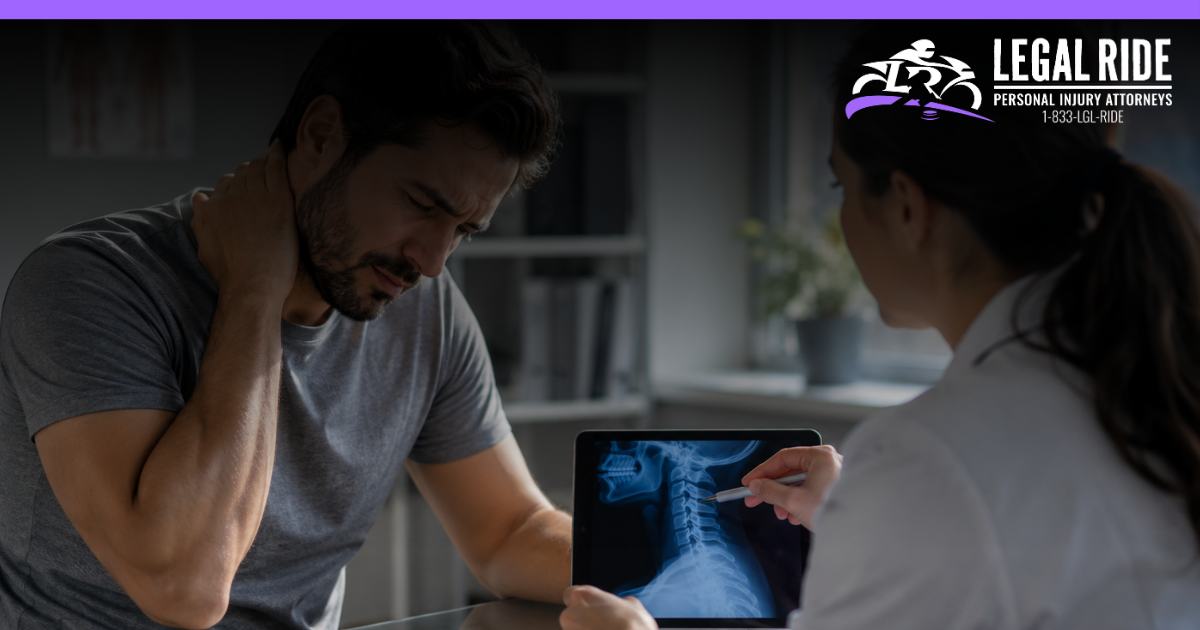
Getting checked soon after a collision gives a medical provider a chance to evaluate what happened and document your symptoms close to the crash date. It also gives you a medical baseline if those symptoms continue or get worse.
Skipping that visit doesn’t prove you were okay. It leaves fewer medical records showing what your body was doing in those first days.
Keep Going When Treatment Feels Excessive
Follow-up appointments can become a grind. Work is waiting. Transportation to and from the provider might be a long drive. You may start feeling better and decide you’ve had enough appointments for one lifetime.
If your provider recommends continued treatment, keep going or talk with them before stopping. Ongoing visits document how your recovery progresses and whether symptoms remain. If work, transportation, cost, or another issue interrupts treatment, reschedule when you can and make sure your provider knows what happened.
Your medical history tells the story an insurer will read later. Give that story as few blank pages as possible.
Take Care of Yourself Now, Protect Your Claim Later
Legal Ride knows the “I’m fine” reflex well. Their team includes veteran riders and lawyers who’ve spent years around people who hate making a fuss and would rather get back on the road than admit something hurts.
If a vehicle crash injured you and treatment gaps have become part of your claim, call Legal Ride at 833-LGL-RIDE. We represent riders, drivers, truck crash victims, and people injured in Uber, Lyft, DoorDash, and other roadway crashes.
FAQ: Treatment Gaps After a Nevada Crash
Yes. A gap can give an insurer an opening to argue that your injuries improved, weren’t as serious as reported, or came from something unrelated to the crash. That doesn’t automatically erase a claim, and there may be legitimate reasons for missed treatment, such as work demands, transportation problems, cost, or scheduling issues. Still, long stretches without medical documentation can make it harder to show how symptoms progressed and why continued treatment was needed.
A treatment gap is a period when you receive little or no medical care after a crash or between appointments your provider recommended. That gap may happen right after the collision if you wait several days or weeks to get checked. It may also happen later if you stop physical therapy, miss follow-ups, or leave treatment unfinished. Insurance companies may look closely at those breaks when reviewing whether your injuries continued and how closely your medical history connects them to the crash.
It’s wise to get evaluated promptly after a crash, even when you’re able to walk away and think you’re okay. Adrenaline can mask pain, and some symptoms may appear hours or days later. A medical provider can evaluate your condition, document what you’re experiencing, and tell you whether follow-up care is appropriate. That visit also creates a dated medical record close to the crash, which can become important if symptoms continue or become worse over the following days.

Legal Ride
Latest posts by Legal Ride (see all)
- What to Do After a Car Accident Without Insurance in Nevada - September 30, 2026