

In this post:
Distracted driving remains a major crash issue in Nevada. Phones, dash screens, delivery apps, passengers, and plain inattention pull eyes and attention off the road. After a crash, that distraction can feed fault arguments, reduce compensation under Nevada’s comparative negligence rule, or block recovery when the injured person’s share of fault reaches 51%.
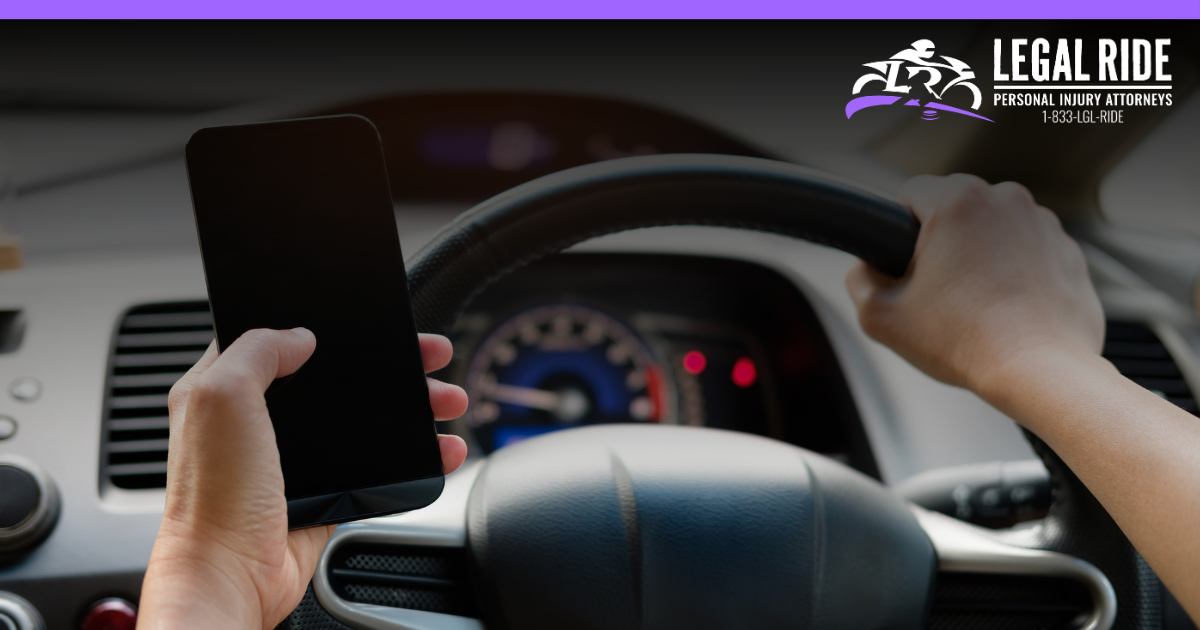
Most distracted driving crashes don’t start with a text message. They start with a driver believing they can look away for “just a second.” A lot of people still treat distracted driving like a minor lapse. Nevada law doesn’t. Nevada bars drivers from physically handling a phone or other handheld device while driving, including talking, texting, going online, programming a handheld GPS, or using music on the device, and that rule still applies at a stoplight. State safety guidance and NHTSA also put route systems, stereo controls, food, passengers, and any other activity that pulls attention from driving in the distraction bucket. In 2024, distracted driving was tied to 3,208 deaths and 315,167 injuries nationwide. Insurance companies take allegations of distracted driving seriously because phone records, app activity, vehicle data, and witness statements can all become evidence in a claim, and the facts of the case can impact your ability to receive compensation for injuries after a crash.
Riders, Drivers, and Passengers All Pay for It
For riders, one driver looking down at a screen can erase the slim margin a motorcycle already has in traffic. For drivers and passengers, the same lapse can lead to a rear-end collision, a lane-drift crash, an intersection impact, or a rideshare wreck with several injured people. Phones get the blame because they deserve it, but the dash screen can pull attention the same way when somebody pokes at directions or music instead of watching traffic.
Fault in Nevada Gets Split by Percentage
After a crash, evidence of distraction can still show up in phone records, app activity, vehicle data, witness statements, and video. Nevada follows a modified comparative negligence rule. An injured person can recover when their share of fault is 50% or less, and the recovery drops by that percentage. At 51% or higher, recovery is barred. So if another driver ran a red light while you were also texting, both facts can be considered in the case, and the value of the claim can shrink. Your phone use, dashboard input, or inattention can still reduce what you recover and can give the insurer extra fuel for a fault argument.
Get a Clear Read Before You Say Too Much
If a distracted driving crash left you injured, talk with Legal Ride at 833-LGL-RIDE before providing a recorded statement to the insurance company. Evidence such as phone records, app activity, witness statements, and vehicle data can become important parts of the investigation, and early statements don’t always tell the full story. Our team can help you understand your options and protect your Las Vegas injury claim before the insurance company begins shaping the narrative.
FAQ: Distracted Driving in Nevada
Can I still bring an injury claim if I glanced at my phone before the crash?
Possibly. Nevada follows a modified comparative negligence rule. If your share of negligence is 50% or less, recovery can still be available, reduced by that percentage. At 51% or higher, recovery is barred.
Is handheld phone use illegal in Nevada even at a red light?
Yes. Nevada’s distracted-driving rules apply while driving, and state safety guidance says handheld device use is illegal at a stoplight as well.
Can a built-in route screen still hurt an injury claim?
It can. NHTSA treats route systems and entertainment controls as distractions, and a driver’s screen use can support an argument that their attention was off the road before impact.
This content is for informational purposes only and does not constitute legal advice. Every case is different. Consult an attorney for advice specific to your situation.
Legal Ride
Latest posts by Legal Ride (see all)
- What to Do After a Car Accident Without Insurance in Nevada - September 30, 2026