

In this post:
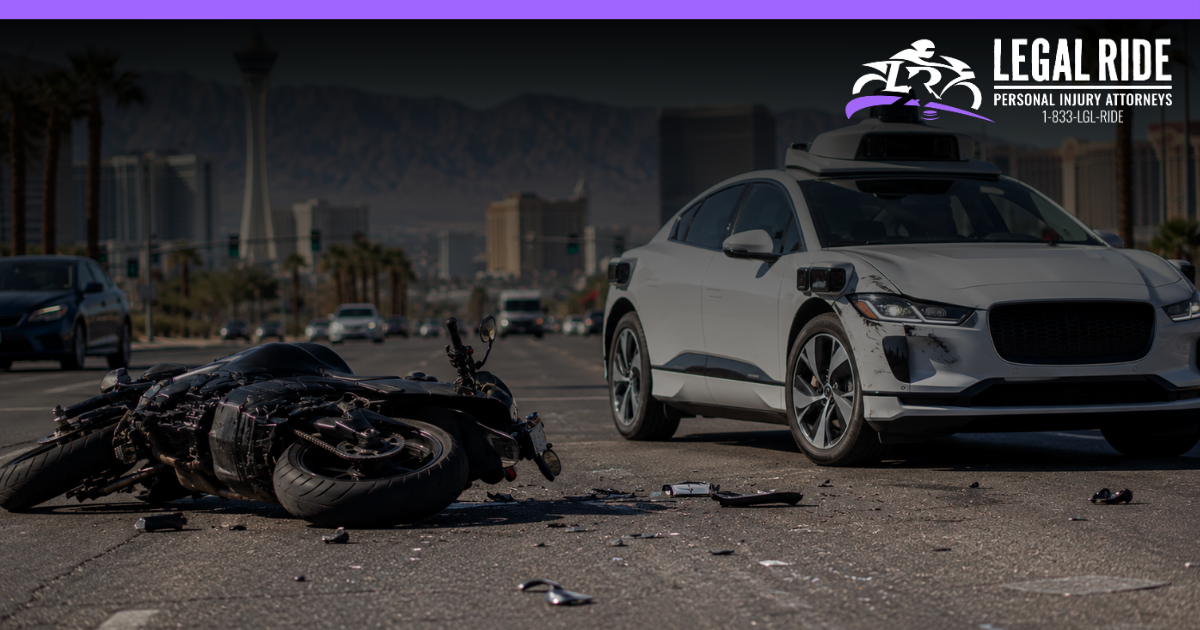
A crash involving a self-driving or driver-assistance system can create a different liability dispute from a typical collision. Responsibility may depend on who had control of the driving task, what the automated system was designed to do, and what the vehicle recorded before impact. Riders and drivers may face insurers, vehicle owners, technology companies, or manufacturers while trying to sort out who caused the crash.
Getting hit is bad enough. Getting hit by a car that was supposedly driving itself adds another layer of frustration: Who exactly caused this?
For a rider on the pavement or a driver staring at a wrecked vehicle, the technology is secondary. Somebody still has to answer for what happened. A computer behind the wheel doesn’t erase responsibility.
First, Who Had the Driving Job?
“Self-driving” or autonomous vehicles cover very different technology. Some vehicles have Level 2 driver-assistance systems that control steering and speed while requiring the human driver to remain engaged at all times. Other automated driving systems are designed to perform the full driving task under defined conditions.
That distinction can change who might be the responsible party. If a human driver had a duty to monitor the road and failed to react, that driver’s conduct might be central to the claim. If an automated system was performing the driving task, the case may move toward how the system operated, who operated the vehicle, and whether a defect contributed to the crash. State law also plays a major role, so liability won’t look identical everywhere. Nevada, for example, limits an original manufacturer’s liability when a third party converts a vehicle into an autonomous vehicle or makes an unauthorized modification to its automated driving system and that change creates the defect that caused the injury.
The Car May Know What Happened
Self-driving crashes usually leave a digital trail. Automated driving systems commonly rely on multiple sensors and cameras, and many have advanced data-recording and telemetry capabilities. That information can provide extensive detail about system engagement and crash circumstances.
For someone who got hit, that data can become a major part of figuring out what happened before impact. NHTSA requires certain manufacturers and operators to report qualifying crashes involving automated driving systems and Level 2 driver-assistance technology, including some crashes involving vulnerable road users such as motorcyclists. Those federal reporting rules specifically include crashes where a vulnerable road user was struck.
Motorcyclists already spend enough time watching for drivers who fail to see them. Adding software to the equation doesn’t make a rider any less injured when a vehicle enters their path, fails to yield, or makes a bad driving decision.
New Technology, Same Need for Accountability
A self-driving crash includes technical data, multiple companies, and laws that differ by state. Juggling all these different factors is hard when you’re already dealing with injuries, medical appointments, missed work, and a damaged bike or vehicle.
Legal Ride knows the road from both sides of the helmet. Our team includes veteran riders and lawyers who represent people injured in motorcycle, car, truck, and rideshare crashes. If an automated or driver-assistance vehicle hit you, call 833-LGL-RIDE to discuss what happened and learn about your options.
FAQ: Self-Driving Vehicle Crashes in Nevada
Responsibility can reach beyond the person in the driver’s seat. Depending on what happened, a claim may involve the vehicle’s owner, the human operator, the company operating the vehicle, the manufacturer, or the company behind the automated driving technology. The key issue is what caused the collision and who had control of the vehicle at that moment.
Automated vehicles can create valuable electronic records. Depending on the vehicle and system, those records may show whether automated features were active, what the vehicle detected, its speed, braking activity, steering inputs, and other events leading up to impact. Photos, video, witness accounts, police reports, and damage to the vehicles add important context. Preserving this information can become especially important when a company controls data that an injured rider or driver can’t access on their own.
Treat it like any serious roadway crash at first: get medical care, document the scene when you can, get identifying information for the vehicle and operator, and keep records related to your injuries and expenses. Also write down anything you remember about the vehicle’s behavior before impact, including unusual braking, lane movement, or whether anyone appeared to be actively driving. Crashes involving automated technology can bring extra parties and technical evidence into the claim, so preserving information from the outset can make a major difference later.
Legal Ride
Latest posts by Legal Ride (see all)
- What to Do After a Car Accident Without Insurance in Nevada - September 30, 2026